
When your 40s turn into a
sneeze-fest (Bless you!)
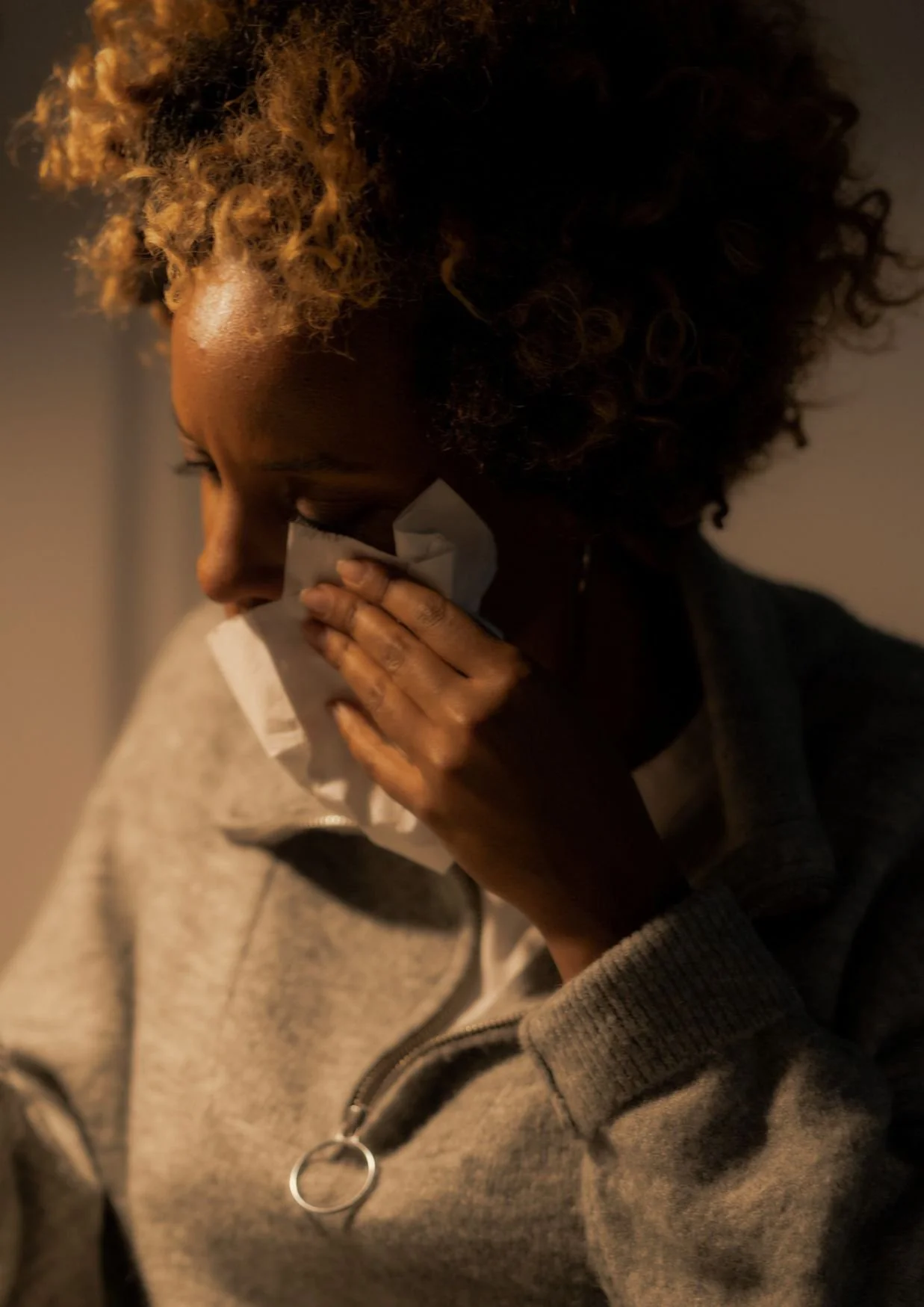
“Make sure the cats don't eat my dinner, I need to get a tissue," I said to my son.
It wasn't a curry day, or anything even mildly spicy for dinner.
I got to my late 40's and started to notice my nose would run whenever I ate.‘Strange’, I thought, then ‘Oh well’. And didn't give it an another thought (for quite a few years).
The weird, small, seemingly insignificant symptoms started to stack up over the next couple of years…
My son's aftershave smell started to feel so overpowering.
I could hear a low level electrical noise when things got really quiet.
I was peeing like an undiagnosed diabetic with hourly trips to the bathroom.
Random aches in my hands and feet started, with seemingly no pattern from day to day.
My eyes felt dry and irritated more and more often, and I started to make sure I always had eye drops to hand.
I stopped sleeping through the night and kept telling myself it was just the divorce and things would get back to normal (it didn't - they got way worse before it got better).
I started to get full on properly anxious for the first time in my life.
Histamine is not just about allergies and can be a hundred times worse in peri-menopause…. Aaaand if you're neurodivergent perimenopause can start earlier than you might expect, even if you're still having regular periods (despite what your GP will tell you).
I learnt about mast cells twenty years back when I did my naturopathic nutrition training, but it took much longer to recognise how pesky these immune system cells can become, especially at times of stress or through big life transitions like postpartum and peri-menopause.
You might be like me, where you had infrequent mild symptoms on and off for years. I mean my lifestyle and dietary changes as an adult eradicated my hay fever.
Add perimenopause (that you didn't even know was happening because who was even talking about it or informing us 10 or 15 years ago? Our GP's certainly weren't).
Then throw in one or two other major stressors… elderly parents to care for, divorce, kids struggling to enter adulthood, a nasty virus you never quite recovered from…
And suddenly you don't deal with stress like you used to.
The anxiety ramps up and all those little symptoms get louder and louder.
Perimenopause is like the-take-no prisoners, kick arse, straight-talking boss that won't take any shit (yes, those hormonal shifts can remove a lot of the niceness and people pleasing that so many of us have spent a lifetime doing).
Not only does it unmask unhealthy, self sacrificing behaviours, it unmasks all of those little niggly symptoms that are telling you something needs attention.
And the physical, mental and emotional stuff really intertwine, aadding to the strain on an already stressed system.
Progesterone, that lovely calming hormone with anti-inflammatory effects, is often the first to decline as we enter midlife.
This crazy combination is why a histamine load you handled for years can suddenly feel unmanageable. (And why you might not even realise it's histamine!)
So if you're starting to get random rashes, crazy migraines, frozen shoulder and neck pain where you think 'you just slept funny', I want to tell you it isn't necessarily just 'stress' or part of ageing we need to accept.
Those swings in oestrogen can affect histamine activity, while declining progesterone may mean losing some of its protective, calming effects.
We need to adapt and break habits that we might have had for years but our bodies are now flagging as unsustainable.
And that's exactly why I created The Gentle Histamine Reset— a 4-week, food-first guide for sensitive, reactive bodies.
It’s based on the approach that helped me get my own histamine symptoms under control: reducing the overall load without extreme diets, complicated protocols or trying to overhaul your entire life at once.
If food reactions feel unpredictable, your sleep is broken, your body feels increasingly reactive and you’re not quite sure where to start, the guide gives you a calm, practical place to begin.
By Sarah McAreavey - 3 November 2026