
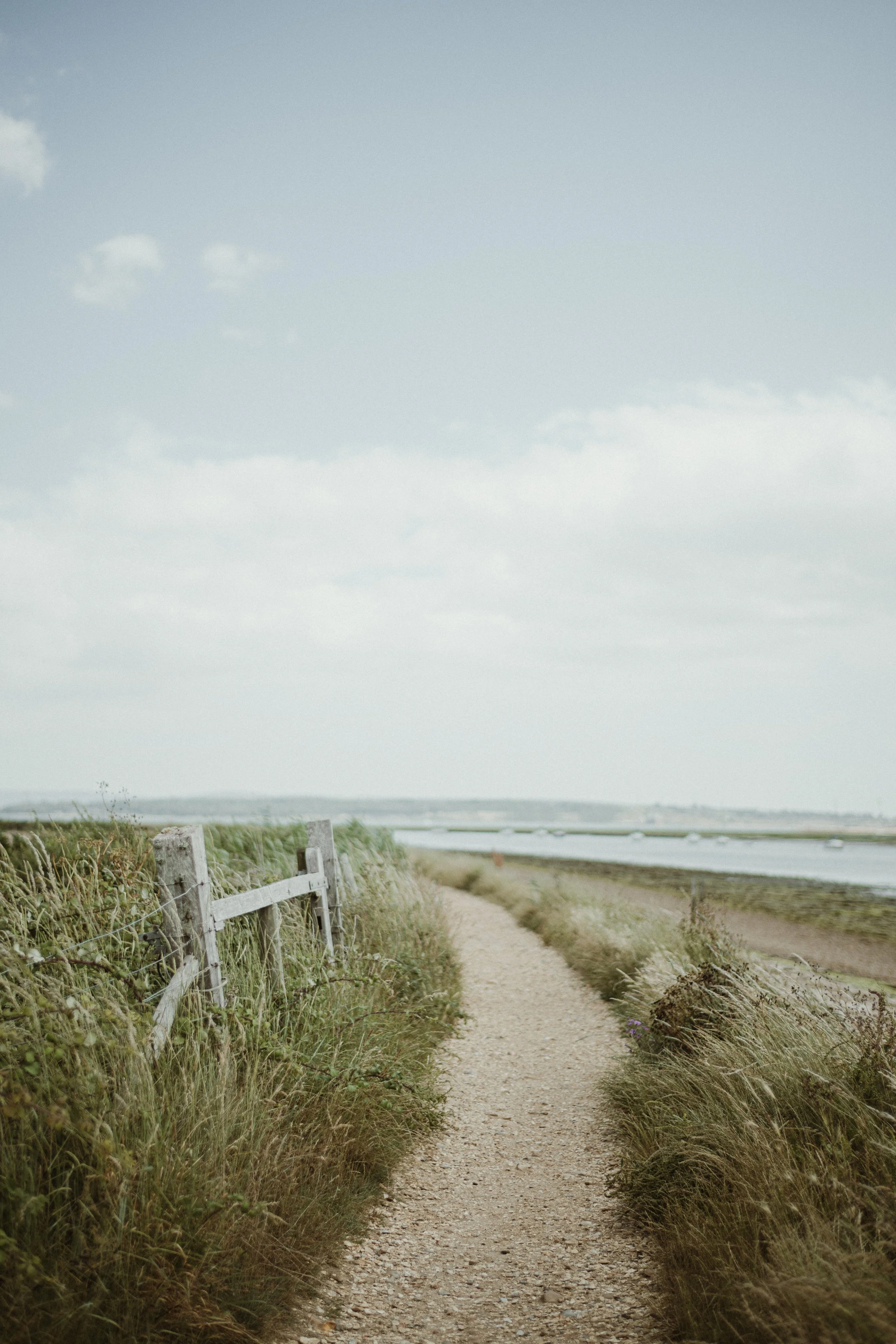
Base Camp for Sensitive Bodies
Before you reach for supplements and tracking devices…
Most people don’t need more supplements, an Apple Watch, an Oura Ring or another gadget telling them they slept badly.
Helpful? Only when the basics are in place. More data is great for tweaking the good stuff that's already in place (I'm currently loving my Oura ring's recovery indicator as I slowly get back to exrecising post surgery).
Most people don’t need more blood tests, hormone tests or stool tests.
They need simple daily practices that help the body remember how to regulate itself again.
If you were building a house, you’d start with proper foundations. Not the fancy cushions or marble stone worktop.
Foundations.
Or if you were climbing a really fricking big mountain, think Everest rather than the South Downs, you’d need a good base camp.
Base camp matters.
Base camp is where your body gets prepared for the climb.
And this is where I think people's approach to wellness goes off track. People are jumping straight to the clever stuff while their body is still trying to function on four hours of broken sleep, half a litre of water, coffee for breakfast and a nervous system that has not had a proper exhale since 2017.
I say that with love. And some personal recognition. (My base camp needed one less nervous sytem poking person that no amount of steps, castor oil packing and whole foods could balance).
So before you reach for more supplements, another test, or a device that tells you your readiness score is “have an easy day today with lots of rest”, start here.
Drink proper water
Aim for 2 to 3 litres of good quality drinking water a day, with electrolytes.
Not just water sloshing about in your stomach. Hydration that actually gets into the cells.
One of the first things I invested in 20 years ago was a reverse osmosis drinking water system that adds minerals back in. I have done the same in every home I’ve bought since. My kids grew up saying the water at home tasted better than water anywhere else.
I also invested in stainless steel drinking bottles in various sizes because I like to be prepared for a local coffee shop hangout with a friend or a 10k beach walk (and water out of plastic bottles gives you more microplatsics in your system than hydration).
Then in 2023, I rented for 12 months with no reverse osmosis system and no matter how much water I drank, I never felt properly hydrated. That was a big reminder for me and had me yearning for my own place again.
The cells in your body can’t do much without a carrier. Water.
And if you are someone with dysautonomia, MCAS or histamine issues, dehydration is not your friend. A dehydrated body can cause an MCAS flare.
Get your sleep sorted
If you are not getting good quality sleep, with decent deep sleep and REM sleep, your nervous system is not getting the chance to reset properly at night.
And if you fall within the hypermobility, MCAS, dysautonomia picture, there may already be extra pressure on your detox pathways. Sleep is not a nice little wellness add on. It's repair time.
And if you are anything like me, or many of the neurodivergent people I’ve worked with, sensory input at night can absolutely wreck sleep. The tiny light on a plug socket. A weird hum from the wall. A label in your pyjamas suddenly feeling like barbed wire. The neighbour’s car door three streets away. You need to deaden that sensory input.
Cool room. Blackout curtains. Sleep mask (mine's a fancy silk one in Navy - of course). White noise if that helps. Earplugs if you need them.
Mouth taping has also been a big one for me because it encourages nasal breathing at night (ADHD symptoms have been known to get noticeably worse with mouth breathing and poor sleep). I noticed after about two weeks that I felt more rested, needed less time in bed to feel human and had more of a skip in my step.
Eat enough protein early in the day
Protein at breakfast soon after waking can be a game changer. Especially within about 45 minutes of waking if you are prone to blood sugar dips, cortisol spikes, anxiety, histamine issues or that mid afternoon slump where your day just can't keep going after 3pm.
Eating soon after waking tells the body that food is available and you are not, in fact, living through a famine and cortisol doesn't need to ramp up.
Protein helps fuel the body, stabilise blood sugar and keep the nervous system from riding the rollercoaster all day.
And unstable blood sugar can be a big trigger for MCAS symptoms.
This is why “I’ll just have coffee and a rice cake” rarely has a day that ends well.
Get morning light
Morning sunlight helps set your circadian rhythm. Your body is looking for cues all day long. Light in the morning says, “We’re awake now.” Darkness at night says, “We can start winding down.”
Simple. Annoyingly simple, but a habit that many of us are prone to ignoring.
And staying off screens for the first and last hour of the day can make a real difference too.
Because your nervous system does not need to start the day with messages, news, blue light, other people’s opinions and someone on Instagram telling you their morning routine begins at 4.45am with a cold plunge and gratitude journalling.
Move your body
Sitting for long periods is not great for us. We know this. And no, this does not mean you need to train like an athlete or fling yourself into some brutal exercise programme that your joints, fascia and nervous system hate.
Especially if you are hypermobile.
It means move. Walk. Stretch. Strengthen gently. Build muscle (the best metaboliser). Get lymph moving, (love my rebounder for that). For some people, this might be the gym. For others, it might be hiking or swimming.
And a walk around the block after eating is great for stablising blood sugar, digestion and MCAS.
Your body loves rhythm.
Food rhythm. Sleep rhythm. Light rhythm. Movement rhythm. Breath rhythm.
These are the foundations. And they can't be skipped, especially if you already have a sensitive body.
And I know it can sound too simple when you’ve been deep in symptoms for years.
I get that.
When your body is doing weird, random, frightening or exhausting things, it is very tempting to look for the clever thing. The rare supplement. The specialist test. The new protocol. The thing with a long name that costs £199 and arrives in a tiny bottle.
Sometimes those things do help. I’m not anti supplement. Far from it. I’ve used them personally and professionally for years. But supplements work better in a body that has foundations.
And tracking devices are more useful when the data does not become one more thing to worry about.
The foundations are not basic because they are small. They are basic because they are underneath everything else.
This is such a big part of my work now.
Helping people with busy, sensitive, hypermobile, histaminey, beautifully over responsive bodies come back to steadiness without poking the nervous system harder.
Base camp first.
Then we climb.